

Consult for Sports Mouthguards
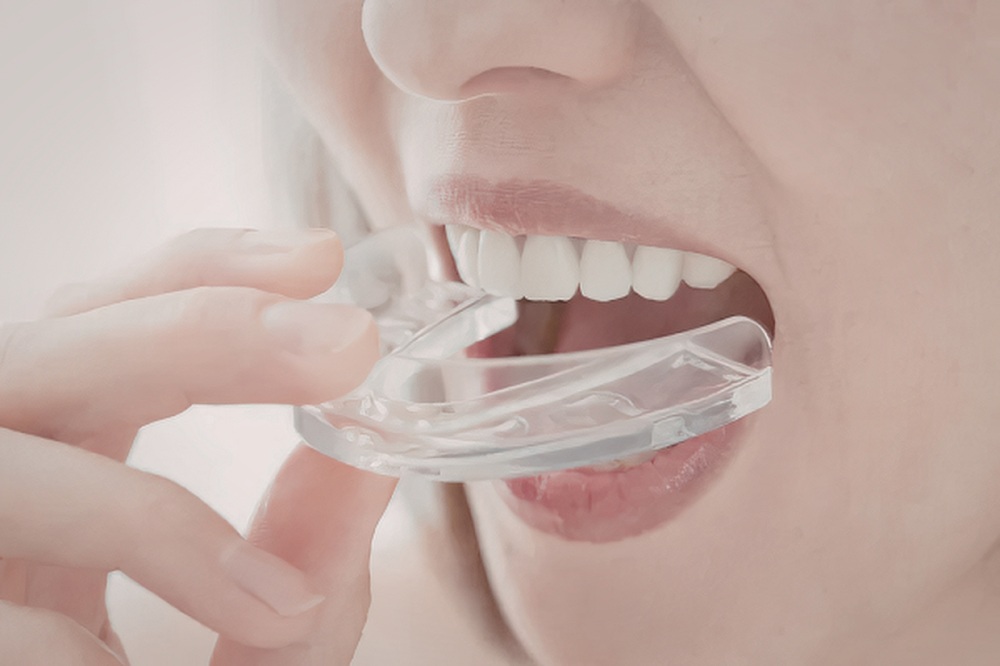
A mouthguard is made to sit over the teeth and help reduce the effect of impact to the mouth. It does not remove all risk of injury, but it can provide a layer of protection when playing sport or training.
At Supreme Dental Maryborough, our dentist in Melbourne can assess teeth structure to discuss whether a sports mouthguard may be suitable. Patients are examined as per their age, sport, bite, dental development, and whether any existing dental concerns such as braces, loose teeth, crowns, fillings, or previous injuries need to be considered.
When is a Sports Mouthguard Needed
A sports mouthguard may be useful for activities where contact, falls, or accidental impact to the face can happen. This may include football, rugby, basketball, hockey, martial arts, boxing, netball, skateboarding, and other physical sports. It may also be considered during training, not only during games. Many injuries happen during practice sessions because players are still moving at speed and contacting others.
Important for patients, it can also be essential for those who have had dental treatment, front tooth trauma, orthodontic treatment, or teeth that sit more forward in the mouth. A dental check can help decide what type of mouthguard may be suitable.
What are Different Types of Mouthguards
There are different types of mouthguards recommended by dentists. Some are bought from shops and softened in hot water before being shaped in the mouth. Others are made by a dentist after taking an impression or scan of the teeth.
A custom-fitted mouthguard is made to suit the patient’s mouth. This may help with fit, comfort, speech, and staying in place during sport. However, the right option depends on the patient, the sport, and the level of protection required. A poorly fitting mouthguard may feel bulky, move during play, make breathing or talking difficult, or be left out altogether. If a mouthguard is not worn properly, it cannot provide the intended protection.
What Happens Before a Mouthguard Is Made?
Before making a mouthguard, the dentist will usually check the teeth, gums, bite, and any dental work already present. This is important because the mouthguard needs to fit the mouth as it is at the time.
For children and teenagers, teeth and jaws can change as they grow. New teeth may come through, baby teeth may fall out, or orthodontic treatment may change the bite. For this reason, a mouthguard may need to be checked regularly to make sure it still fits properly.
If the patient wears braces or has fixed orthodontic appliances, the dentist may discuss this before planning the mouthguard. Extra space or a different design may be needed depending on the case.
How to Care for a Sports Mouthguard
A mouthguard should be rinsed after use and cleaned regularly. It should be stored in a ventilated container and kept away from heat, as heat can change its shape.
A mouthguard should not be shared with anyone else. It is made for one mouth and should stay with that person. It should also be checked if it feels loose, cracked, uncomfortable, or difficult to wear.
Parents may need to check their child’s mouthguard before each season. If the mouthguard no longer fits, or if the child has lost teeth, gained new teeth, or started orthodontic treatment, a new assessment may be needed.
Consult for Sports Mouthguards in Maryborough
If you or your child plays contact sport, it may be worth asking a dentist about mouthguard options before the season begins. This gives enough time for an assessment, fitting, and any required adjustments.
Supreme Dental Maryborough can discuss sports mouthguards with patients who want to better understand mouth protection for training and game day.
Frequently Asked Questions
Health Fund Providers





Request an Appointment

Our opening hours are:
Monday to Friday – 9am to 6pm
Saturday – Closed
Sunday – Closed