

Root Canal Treatment
When you experience persistent pain, sensitivity to temperature, or swelling near a specific tooth, it could indicate that the pulp is infected. If left untreated, the tooth can begin to die and may eventually need extraction. To save the tooth, the infected pulp needs to be removed through a procedure called ‘endodontics’ (commonly known as root canal treatment in Maryborough) to prevent the formation of an abscess.
The tooth consists of three main layers: enamel, the hard outer shell that protects the tooth; dentine, the supportive core that sits beneath; and pulp, the innermost section containing nerves and blood vessels that keep the tooth alive. When the pulp becomes infected or damaged, it can lead to inflammation, pain, or even tooth loss if not treated in time.
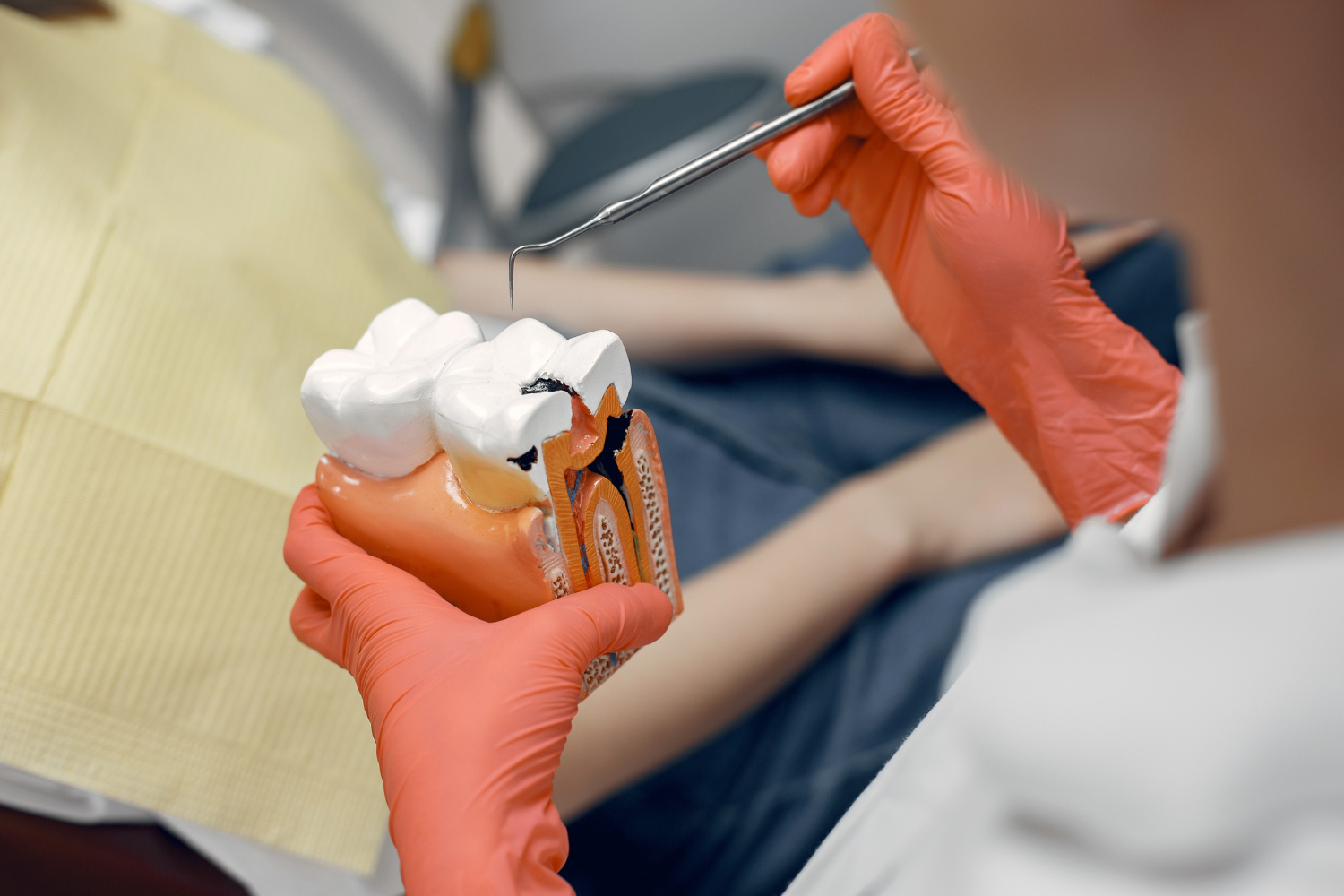
This infection can occur due to:
- Caries - Untreated decay that spreads into the pulp chamber.
- Trauma - A severe knock or injury to the tooth.
- Severe Gum Disease - When gums detach from the tooth, bacteria can enter and infect the pulp.
Early diagnosis and treatment can help preserve your natural tooth and prevent the need for extraction.
RECOGNISING THE SIGNS OF AN INFECTED TOOTH
Here are the symptoms you need to watch out for:
- Pain - This can be anything from a constant dull ache to severe pain or pain only when biting
- A spot sometimes appears on the gum in the area of the infected tooth. This is where the collection of pus from the root tip is draining which will leave a bad taste in your mouth.
- Swelling in the gum area surrounding your tooth
At Maryborough Family Dental, we provide gentle, carefully planned root canal treatment in Maryborough, Melbourne, to help restore both comfort and function.
THE ROOT CANAL PROCEDURE:STEP BY STEP
Wondering what to expect during your root canal treatment? Here’s a simple breakdown of each stage so you know exactly how the process helps save your natural tooth:
Step 1: Diagnosis and Assessment
We begin by examining your tooth through X-rays and clinical tests to determine the extent of infection and the number of root canals that need attention.
Step 2: Local Anaesthesia
The area around the affected tooth is numbed, ensuring you remain comfortable throughout the procedure.
Step 3: Access Opening
A small opening is made in the tooth to reach the infected pulp chamber.
Step 4: Cleaning and Shaping
The infected pulp tissue is removed, and the canals are cleaned, disinfected, and shaped to prepare them for filling.
Step 5: Filling and Sealing
Once cleaned, the canals are filled with a biocompatible material to prevent reinfection.
Step 6: Restoration
To protect the treated tooth, a crown or filling is placed to restore strength and appearance. The procedure may take two to three visits depending on the level of infection or complexity of the canals. Temporary fillings are used between visits to keep the area protected. If the infection is too advanced or the tooth structure is severely damaged, extraction may be considered as an alternative.
WHAT TO EXPECT AFTER THE TREATMENT
After your root canal, it is normal to experience mild tenderness for a few days as the surrounding tissues heal. This can usually be managed with over-the-counter pain relief and good oral hygiene. We’ll provide you with aftercare instructions to ensure smooth healing.
You can resume normal activities soon after, though it’s best to avoid chewing hard foods with the treated tooth until it’s fully restored with a permanent filling or crown. Maintaining your regular dental visits will also help us monitor the tooth and ensure long-term success.
After treatment, keeping up with daily brushing, flossing, and routine dental check-ups will help prolong the health of your treated tooth. Avoid biting down on hard foods like ice or nuts to protect your crown or filling. With good care, a tooth that’s had a root canal can last a lifetime.
SCHEDULE A CONSULTATION
If you’re experiencing ongoing tooth pain, sensitivity, or swelling, it may be time to consider a root canal treatment in Maryborough, Melbourne. Our team can assess your symptoms, explain your options, and help you find relief with gentle, professional care.
FREQUENTLY ASKED QUESTIONS
Health Fund Providers





Request an Appointment

Our opening hours are:
Monday to Friday – 9am to 6pm
Saturday – Closed
Sunday – Closed