

Preventive Dentistry Consultation and Care
Preventive dentistry focuses on looking after the teeth and gums before problems become harder to manage. It includes regular dental examinations, professional cleaning, oral hygiene advice, fluoride support, dietary guidance, and checking for early signs of tooth decay, gum disease, wear, cracks, and other concerns.
At Supreme Dental Maryborough, we work closely with patients when it comes to preventive dentistry in Melbourne, giving clear information about their oral health. Our dentist can check what’s happening, explain any findings, and discuss whether treatment, monitoring, or changes at home may be helpful.
Why Preventive Dentistry Matters
Preventive dentistry is important because the mouth changes over time. Plaque builds up on teeth each day. If it is not removed properly, it can harden into tartar. Once tartar forms, it cannot be brushed away at home and may need professional cleaning.
Plaque and tartar can irritate the gums and increase the risk of decay and gum disease. In the early stages, gum problems may show as bleeding, redness, swelling, tenderness, or bad breath. If left unmanaged, the infection can move deeper and affect the bone and tissue supporting the teeth.
Regular checks can also help detect cracked teeth, worn fillings, tooth wear, oral ulcers, dry mouth, and other changes that a patient may not notice straight away.
What a Preventive Dental Visit May Include
A preventive dental visit usually starts with a conversation about your oral health, medical history, medications, symptoms, and any concerns you may have. The dentist may ask about brushing, flossing, bleeding gums, sensitivity, diet, smoking, grinding, or jaw discomfort.
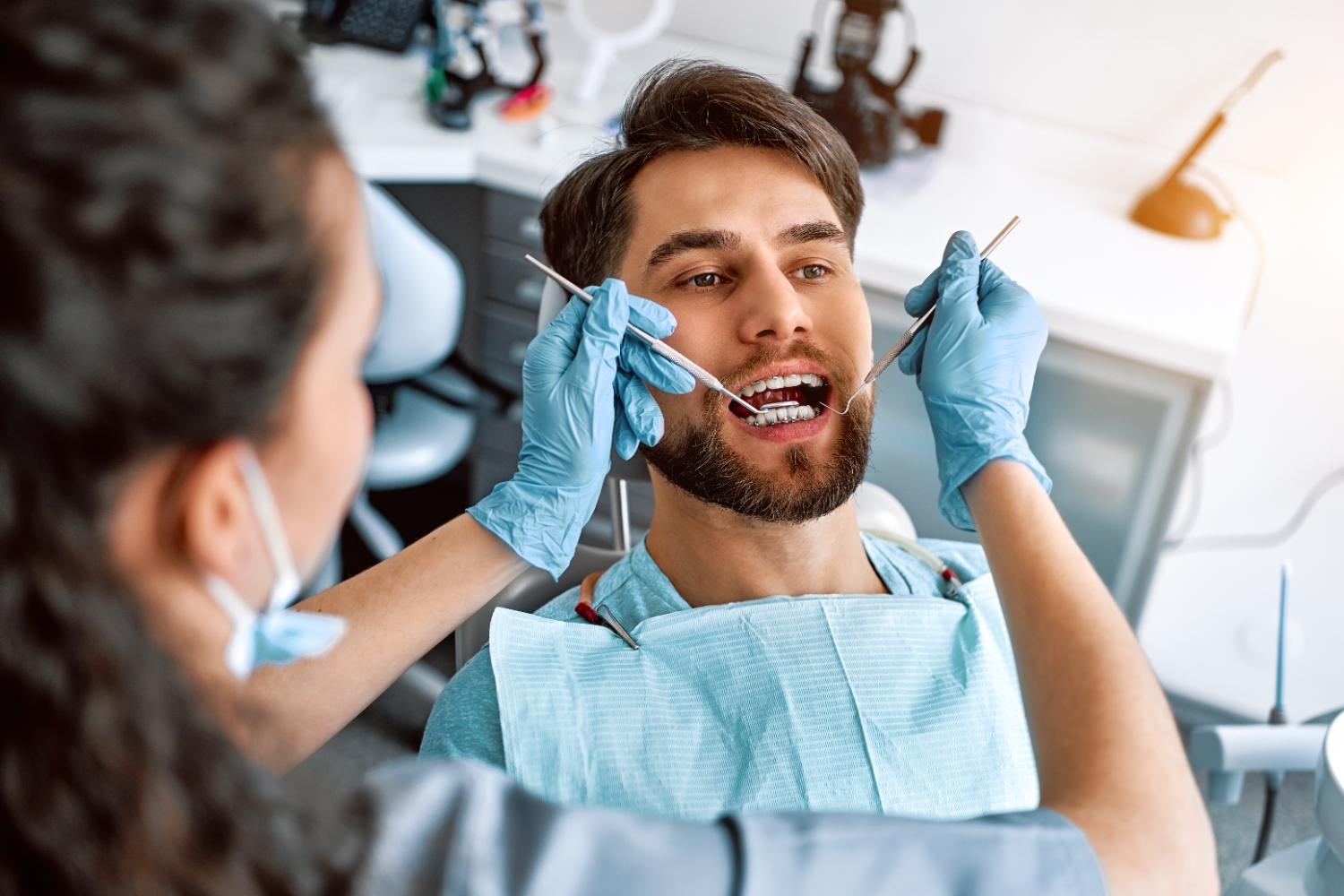
Further, the teeth and gums are examined. The dentist may check for decay, gum pocketing, plaque, tartar, tooth wear, cracks, and the condition of existing fillings or crowns. X-rays may be recommended when areas between teeth or under existing restorations need to be checked.
A scale and clean may also be discussed. This helps remove plaque and tartar from areas that are difficult to clean at home. The dentist or hygienist may then provide advice on brushing, flossing, interdental brushes, fluoride toothpaste, and other suitable home care steps.
What are Signs That Prompt Dental Advice
Some symptoms should not be ignored. Bleeding gums, red or swollen gums, persistent bad breath, tooth sensitivity, pain while chewing, loose teeth, receding gums, or food getting trapped between teeth may need assessment.
Tooth decay may also cause sensitivity to cold, sweet foods, or biting pressure. Sometimes, however, decay causes no pain in the early stage. This is why routine dental checks can be useful even when everything feels fine.
If a patient notices a mouth ulcer that does not heal, a lump, a white or red patch, or any unusual change in the mouth, dental advice should be arranged. A dentist can check the area and decide whether monitoring or referral may be needed.
Understanding Preventive Care for Different Ages
Preventive dentistry can be useful at all stages of life. Children may need checks for tooth development, brushing habits, fissure sealants, fluoride needs, diet, and early decay. Teenagers may need advice around sports mouthguards, orthodontic care, wisdom teeth, and sugary drinks.
Adults may need checks for gum health, tooth wear, broken fillings, sensitivity, grinding, and oral hygiene. Older adults may need extra support with dry mouth, dentures, exposed roots, medication-related changes, or gum disease management.
The right interval between dental visits can vary. Some patients may need more frequent reviews because of gum disease, decay risk, medical conditions, or past dental concerns. Others may be suitable for routine monitoring.
Learn More About Preventive Dentistry in Maryborough
If it has been some time since your last dental visit, or if you have noticed bleeding gums, sensitivity, bad breath, or changes in your teeth, a preventive dental check may be useful.
During consultation, the dentist will assess your teeth and gums, discuss your concerns, and suggest a suitable plan based on your oral health needs.
Frequently Asked Questions
Health Fund Providers





Request an Appointment

Our opening hours are:
Monday to Friday – 9am to 6pm
Saturday – Closed
Sunday – Closed